Autonomous Game Creation Process & Architecture
A technical guide explaining how RobOS autonomously models, scaffolds, ingests assets, and generates a complete tactical cRPG using Godot 4.3 and Knowledge Graph-First standards.
Table of contents
- 1. The RobOS Game Generation Paradigm
- 2. Ontological Modeling in the SDLC Knowledge Graph
- 3. Schema-First Data Pipeline & Code Generation
- 4. Open-Source Asset Harvesting & Pipeline
- 5. Scene Architecture in Godot 4.3
1. The RobOS Game Generation Paradigm
Creating a complex video game from scratch is notoriously prone to hallucination, spaghetti code, and asset mismatches when driven by raw LLM prompts. RobOS replaces naive prompting with a 4-phase Knowledge Graph-First generation pipeline:
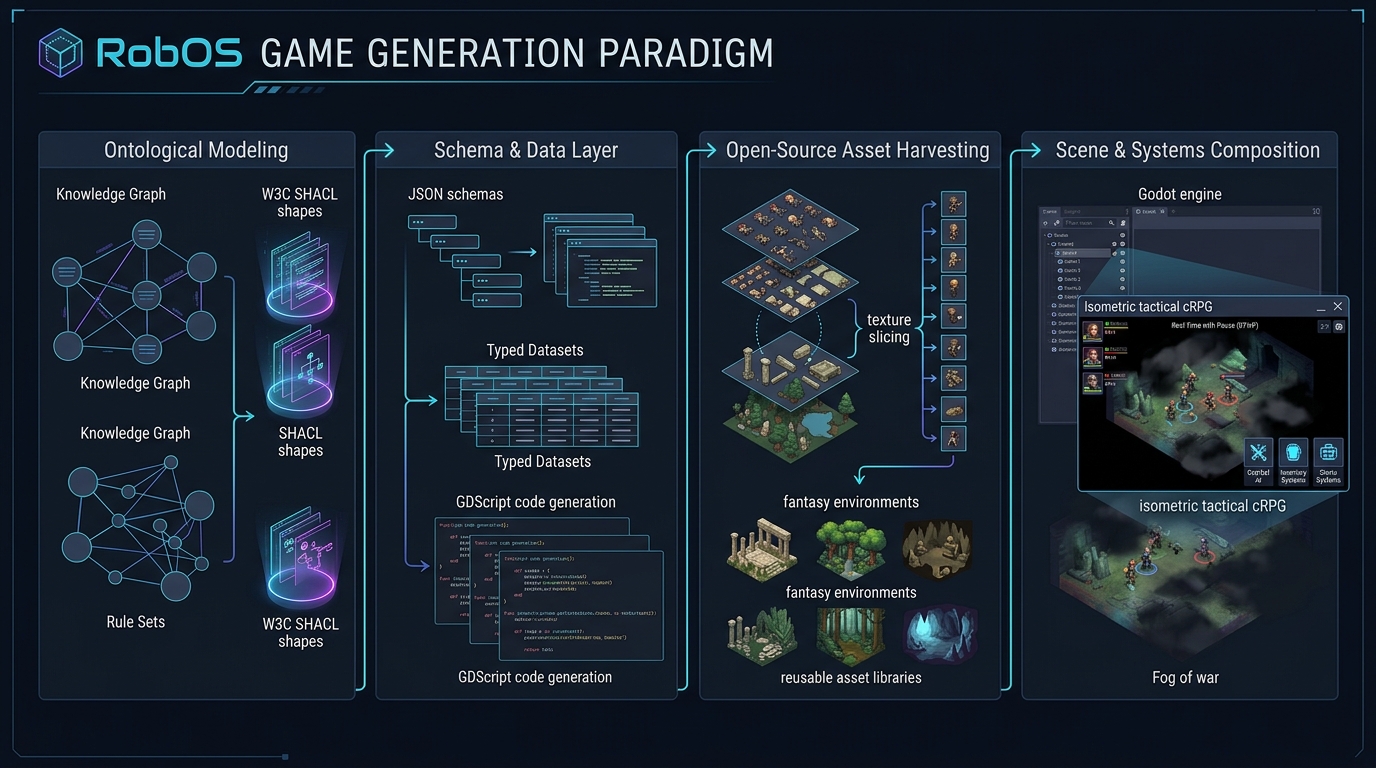
Figure 1: The 4-Phase RobOS Knowledge Graph-First Game Generation Pipeline: Ontological Modeling → Schema & Data Layer → Open-Source Asset Harvesting → Scene & Systems Composition.
2. Ontological Modeling in the SDLC Knowledge Graph
Every game built in RobOS begins as a formal node in the Modular SDLC Knowledge Graph (.robos/kgraphs/crpg/package.jsonld and aggregated .robos/knowledge-graph.jsonld).
The cRPG game conforms to urn:robos:shape:PCGameShape and integrates standards from Schema.org (schema:VideoGame), OASIS OSLC Architecture Management (oslc_am:Resource), and C4 Model (c4:Container):
{
  "@id": "urn:robos:crpg:pc-game:tactical-crpg-realm",
  "@type": [
    "robos:PCGame",
    "schema:VideoGame",
    "oslc_am:Resource",
    "c4:Container"
  ],
  "dcterms:title": "Tactical cRPG Realm & Infinity AI Engine",
  "dcterms:description": "Party-based tactical isometric cRPG in Godot 4 with D&D 5e SRD rules, RTwP combat, and autonomous BDD verification.",
  "robos:repository": "github.com/nddipiazza/robos",
  "robos:technology": "Godot 4.3 / GDScript / Python 3.12 behave",
  "robos:gameEngine": "Godot",
  "robos:targetPlatform": ["Linux", "Windows", "macOS"],
  "robos:graphicsApi": "OpenGL Compatibility",
  "schema:gamePlatform": "PC",
  "schema:playMode": "SinglePlayer",
  "robos:hasGameData": [
    "urn:robos:crpg:dataset:classes",
    "urn:robos:crpg:dataset:races",
    "urn:robos:crpg:dataset:spells",
    "urn:robos:crpg:dataset:items",
    "urn:robos:crpg:dataset:monsters",
    "urn:robos:crpg:dataset:npcs",
    "urn:robos:crpg:dataset:dialogue"
  ]
}
3. Schema-First Data Pipeline & Code Generation
RobOS prohibits hardcoding stats, spells, monsters, or dialogue inside script logic. All game balance is defined in strictly validated JSON files under games/crpg-realm/data/v1/:
| Dataset | Schema Location | Description |
|---|---|---|
classes.json | schemas/v1/classes.schema.json | Fighter, Wizard, Cleric, Rogue hit dice, armor/weapon proficiencies, spell slots. |
races.json | schemas/v1/races.schema.json | Human, Elf, Dwarf, Halfling ability score bonuses, base speeds, traits. |
spells.json | schemas/v1/spells.schema.json | Magic Missile, Cure Wounds, Shield, Fireball targeting, damage dice, saving throws. |
items.json | schemas/v1/items.schema.json | Weapons, armor, consumables, keys, values, and stat modifiers. |
monsters.json | schemas/v1/monsters.schema.json | Shadow Hound, Corrupted Sentry, Skeleton Archer, Captain Malakor stats & actions. |
npcs.json | schemas/v1/npcs.schema.json | 18 Realm NPCs, sprite assignments, and dialogue tree links. |
dialogue.json | schemas/v1/dialogue.schema.json | Multi-node branching dialogue trees, quest triggers, and item rewards. |
Generated GDScript Data Store (DataStoreV1.gd)
The build process compiles these schemas into typed GDScript singletons under src/generated/v1/DataStoreV1.gd, ensuring 100% type safety and zero runtime KeyError crashes.
4. Open-Source Asset Harvesting & Pipeline
To avoid placeholder art and copyright violations, RobOS ingests authentic open-source creative assets from Flare RPG and OpenGameArt (licensed under CC-BY-SA 3.0 and CC0):
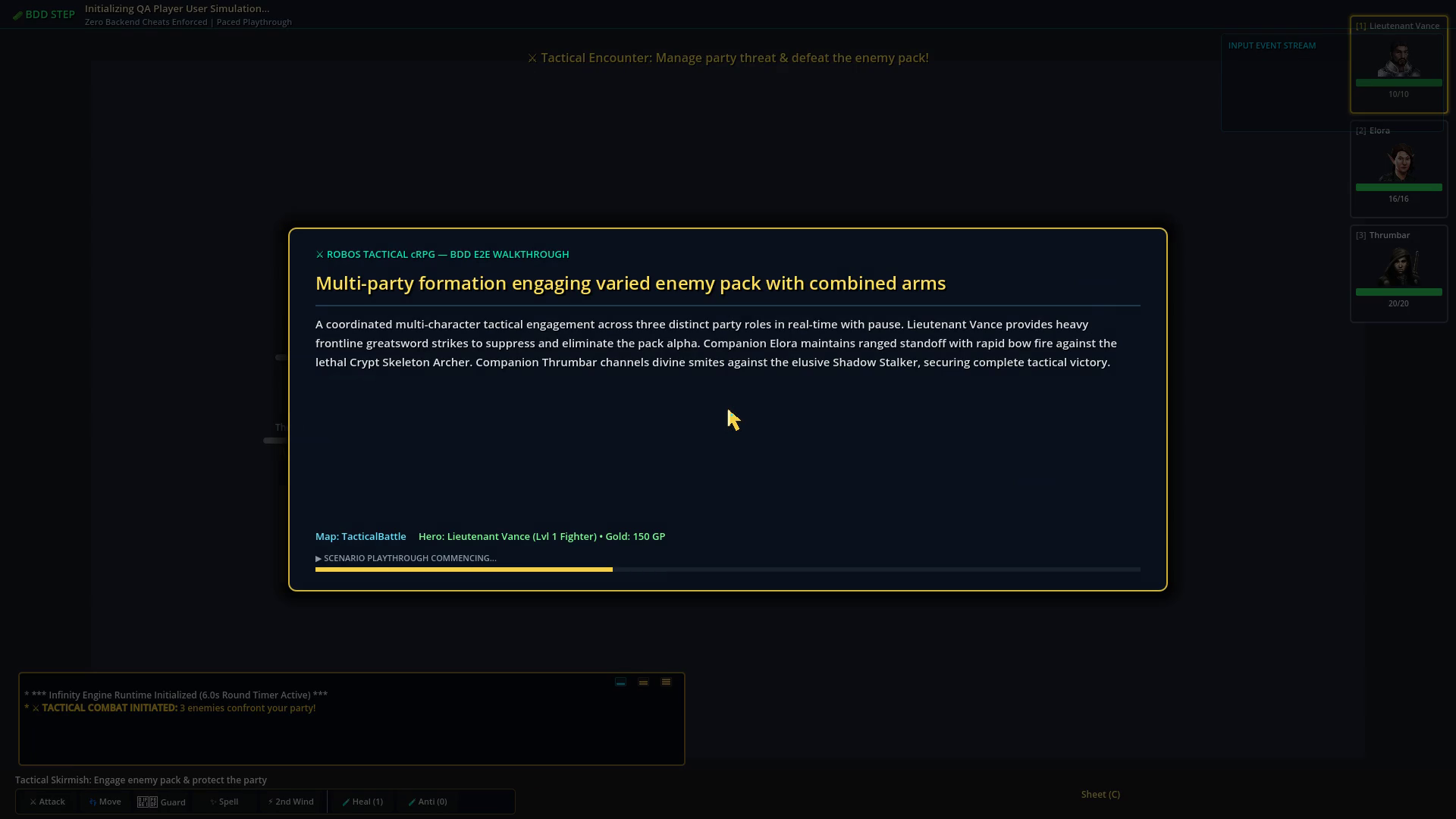
Figure 1: Tactical combat arena showing open-source character sprites, directional facing, and circle selection rings.
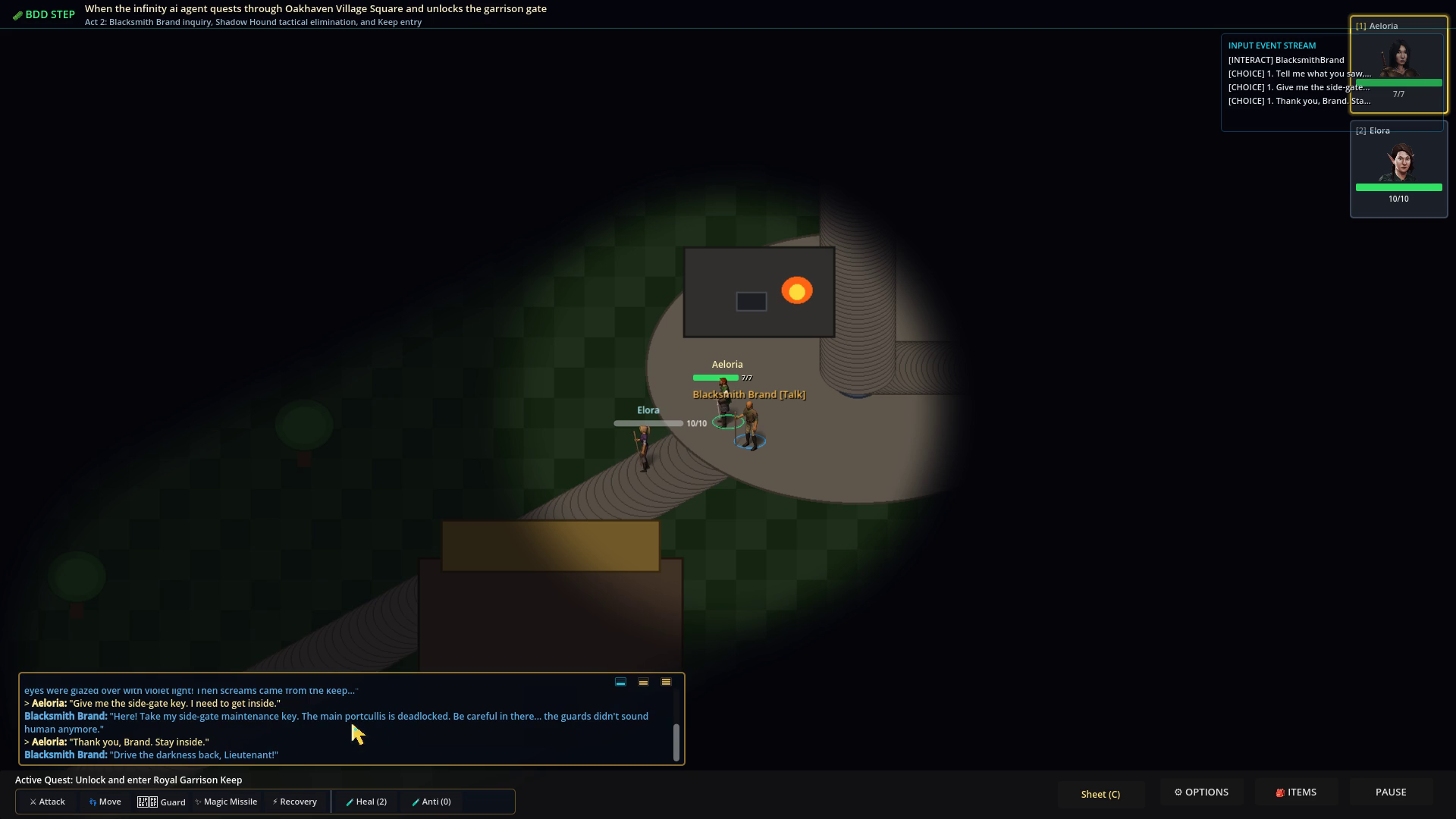
Figure 2: Elf Wizard Aeloria casting Magic Missile with pre-rendered open world backdrop and Fog of War.
Asset Processing Steps:
- Isometric Building Structures: Sliced from Flare tilesets into standalone PNGs (
building_inn.png,building_blacksmith.png,building_apothecary.png,building_townhall.png,building_cottage1.png,stone_arch_gate.png,stone_wall_section.png). - Animated Walk Cycles: Sliced 4-frame directional walk animations (
_walk_0.pngthrough_walk_3.png) and idle stances for all heroes and NPCs. - Pre-rendered 2560×1440 Environments: Generated high-resolution backgrounds with realistic depth, dirt trails, waterways, stone crypts, and manor interiors.
- Icons & Portals: 48×48 authentic potion, weapon, armor, and spell scroll icons integrated into inventory grids.
5. Scene Architecture in Godot 4.3
The scene tree uses Godot’s built-in 2D engine with y_sort_enabled = true on the root map node, ensuring heroes, NPCs, monsters, and structures render in accurate perspective depth:
VillageSquare (Node2D, y_sort_enabled = true)
├── Ground (TextureRect, 2560x1440, mouse_filter = MOUSE_FILTER_IGNORE)
├── VillageBoundaries (StaticBody2D - Outer boundary colliders)
├── HouseInn (StaticBody2D, layer 1)
│   ├── Sprite (Sprite2D)
│   └── CollisionShape2D (RectangleShape2D 400x160)
├── GarrisonGate (Area2D, DoorPortal.gd)
│   ├── Sprite (Sprite2D)
│   ├── CollisionShape2D (RectangleShape2D 90x90)
│   └── Label (Label)
├── GroundItem_Potion (Area2D, GroundItem.gd)
├── BlacksmithBrand (Area2D, ClickableObject.gd)
├── HeroPlayer (CharacterBody2D, HeroPlayer.gd)
│   ├── Sprite (Sprite2D)
│   ├── Camera2D (1920x1080 viewport, limits 0,0,2560,1440)
│   └── PathVisualizer (Node2D, waypoint trail rendering)
├── FogOfWar (SubViewportContainer, fog_of_war.gdshader)
└── CanvasLayer (UI Layer)
    ├── PartyHUD (PartyHUD.gd)
    ├── ActionLog (ActionLog.gd, 3-mode console)
    └── SettingsModal (SettingsModal.gd)
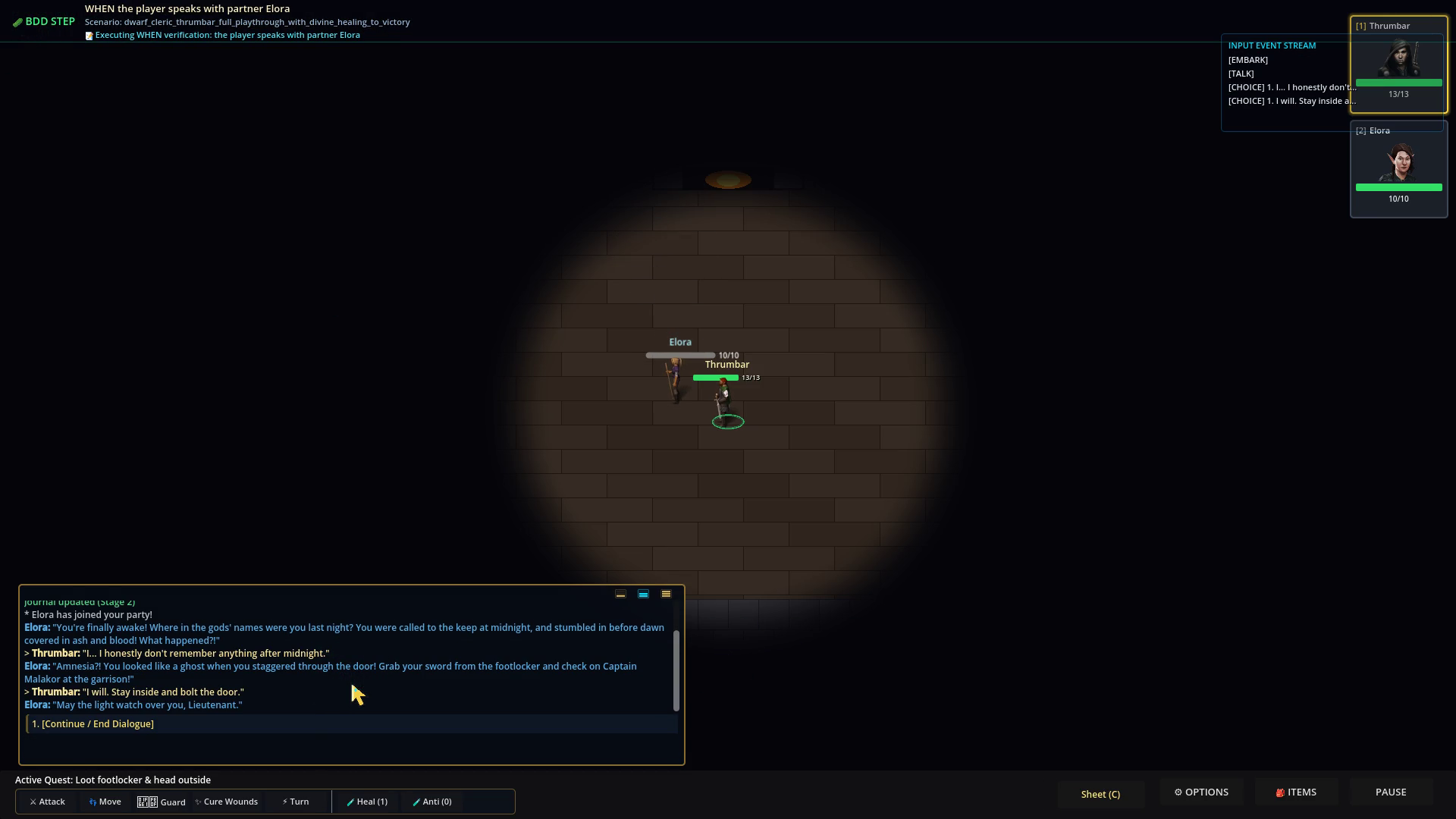
Figure 3: Dwarf Cleric Thrumbar executing divine healing and warhammer combat.
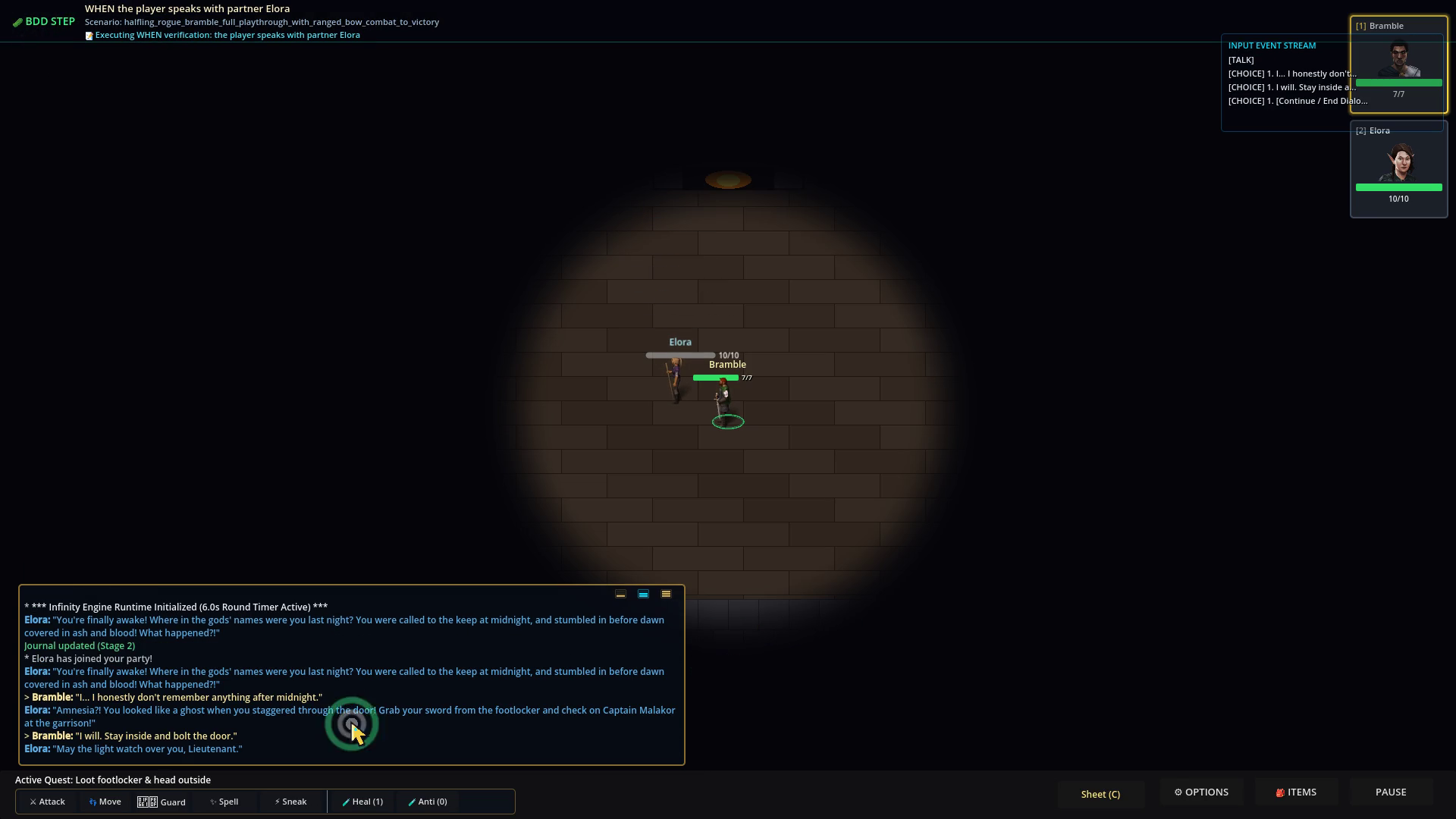
Figure 4: Halfling Rogue Bramble engaging corrupted sentries with ranged hunting bow tactics.